From Traditional to AI-Native PDLC
Emerging tech, a new way to build across Product, Eng, and Design.
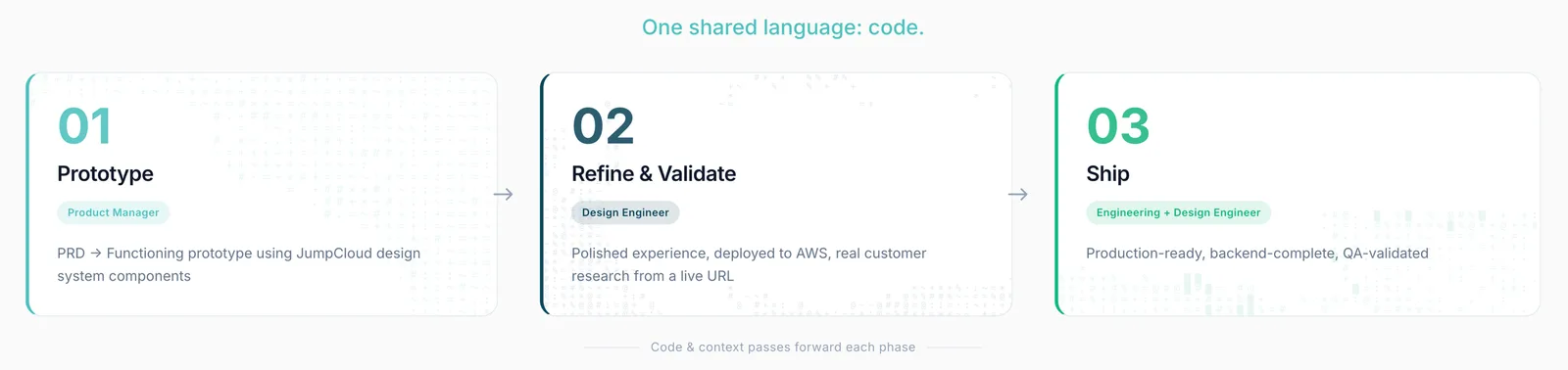
Code is the new shared language across Product, Engineering, & Design practitioners.
April 2025. A week inside the new generative tools — Replit, Lovable, Bolt, v0. The question shifted. We stopped asking whether AI could help and started asking what we could build with it.
AI Moderated Research
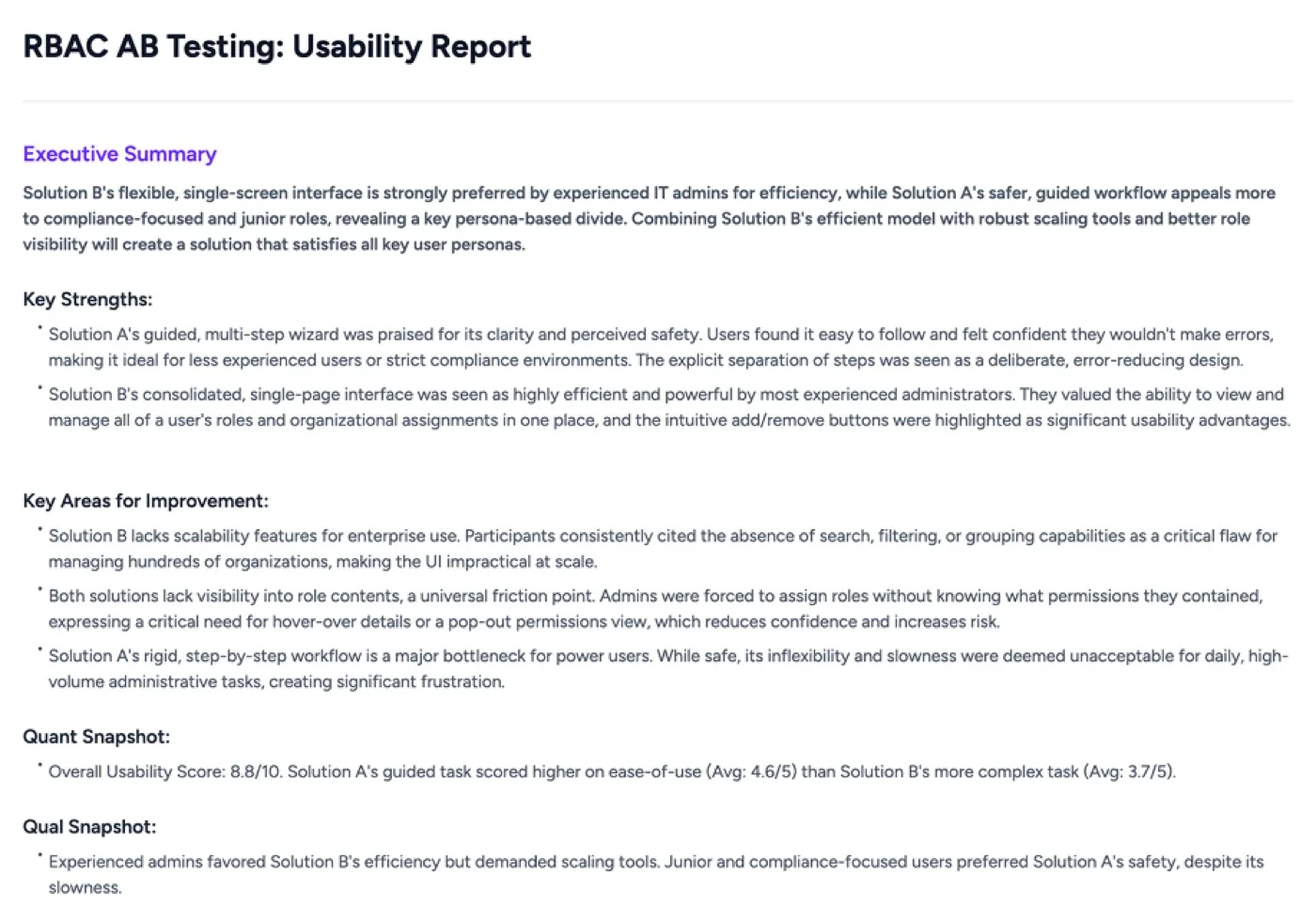
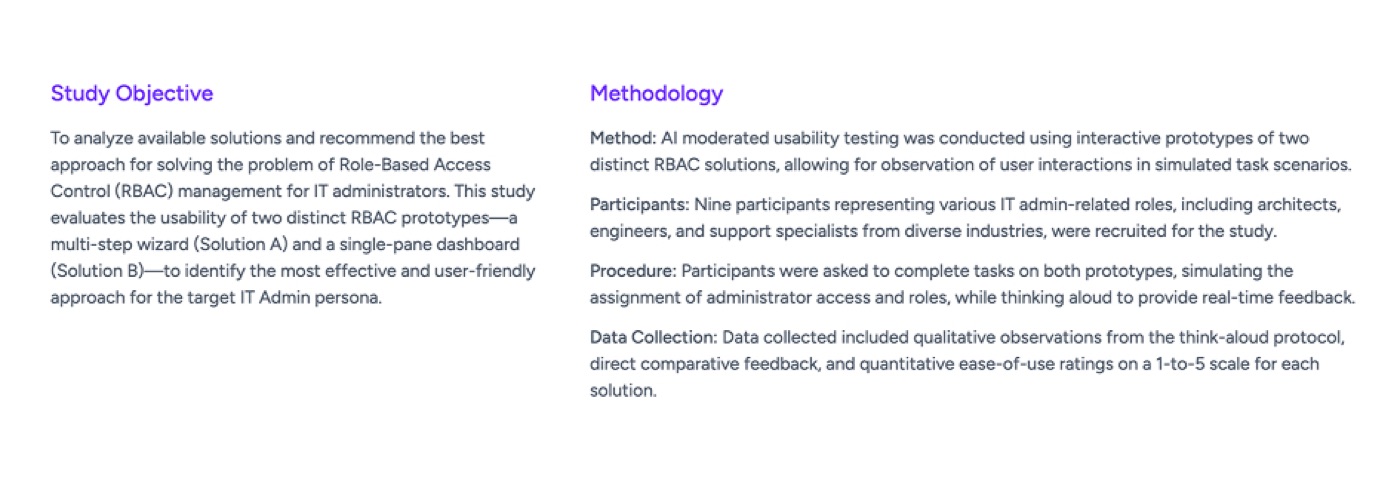
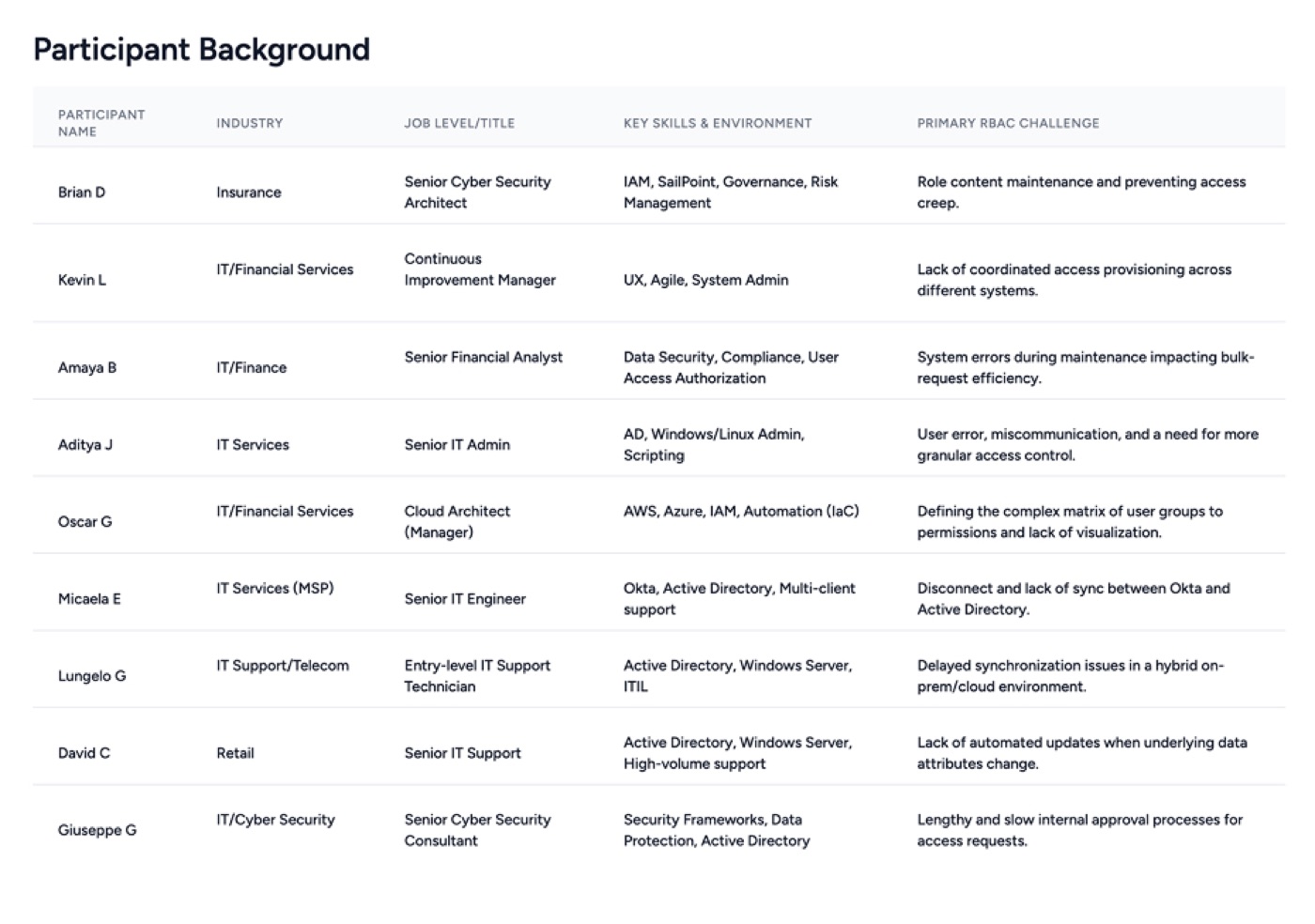
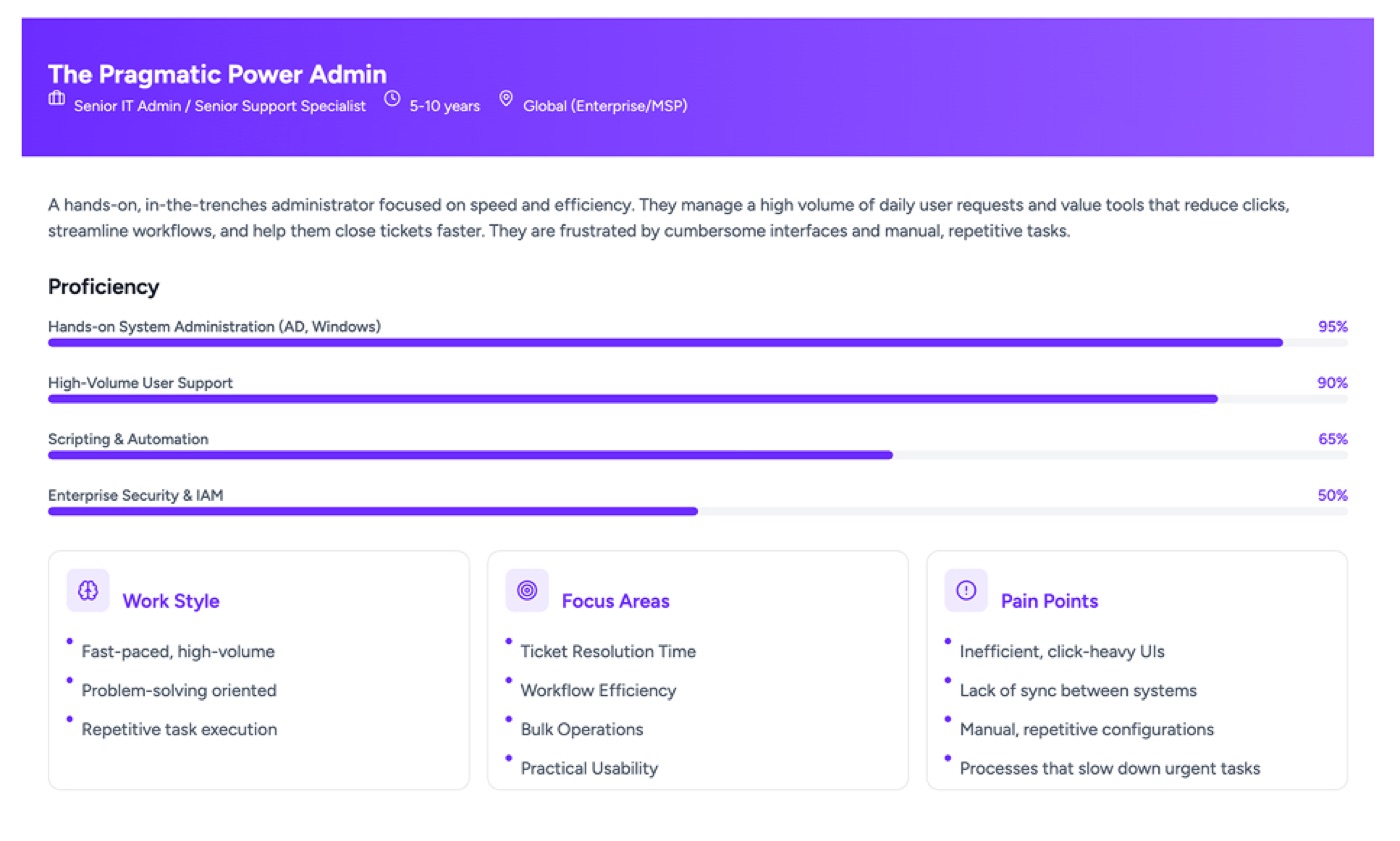
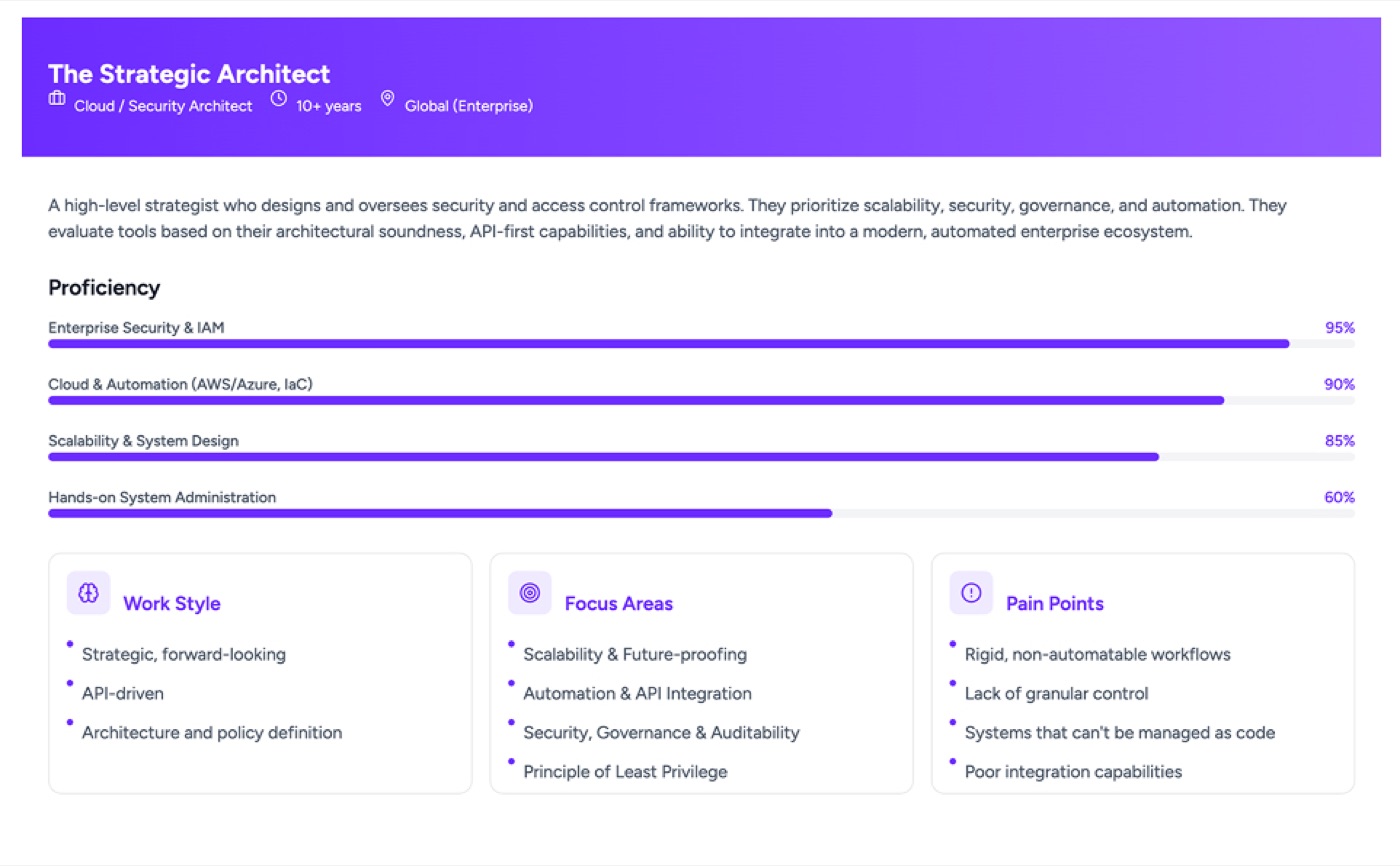
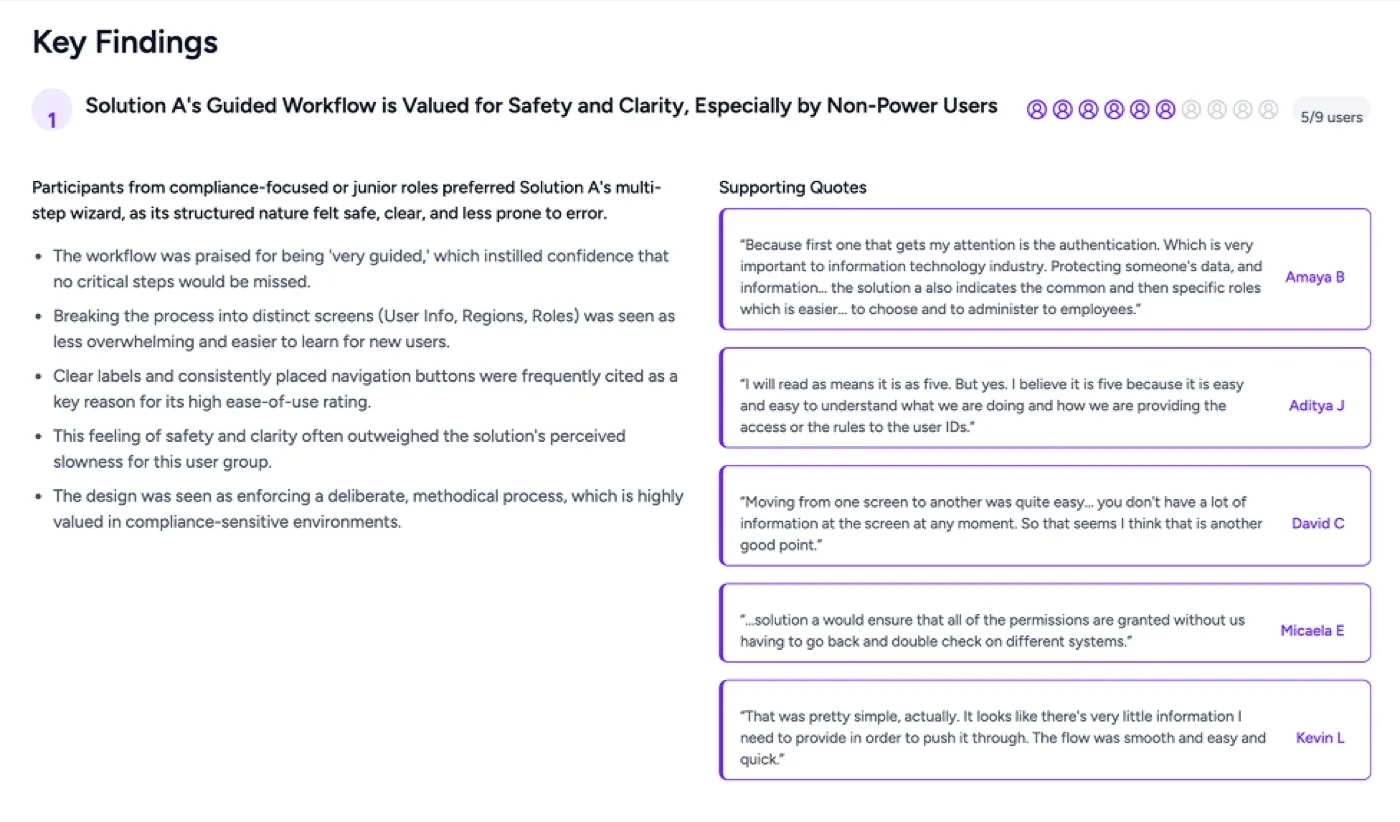
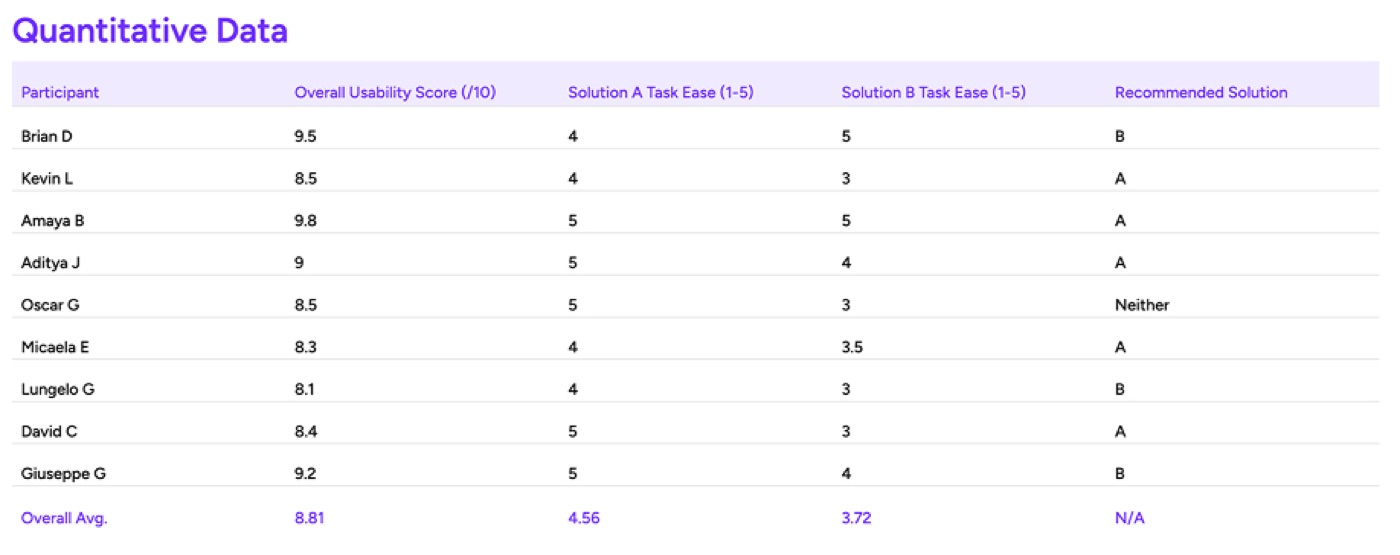
Research was the first loop we rebuilt. Userology let us drop a Figma prototype into a study, have AI moderate the session with an IT admin on the other side, and get back a synthesized read on themes and pain points by end of day. It joined the weekly cadence — fast enough to guide decisions with quant and qual data.
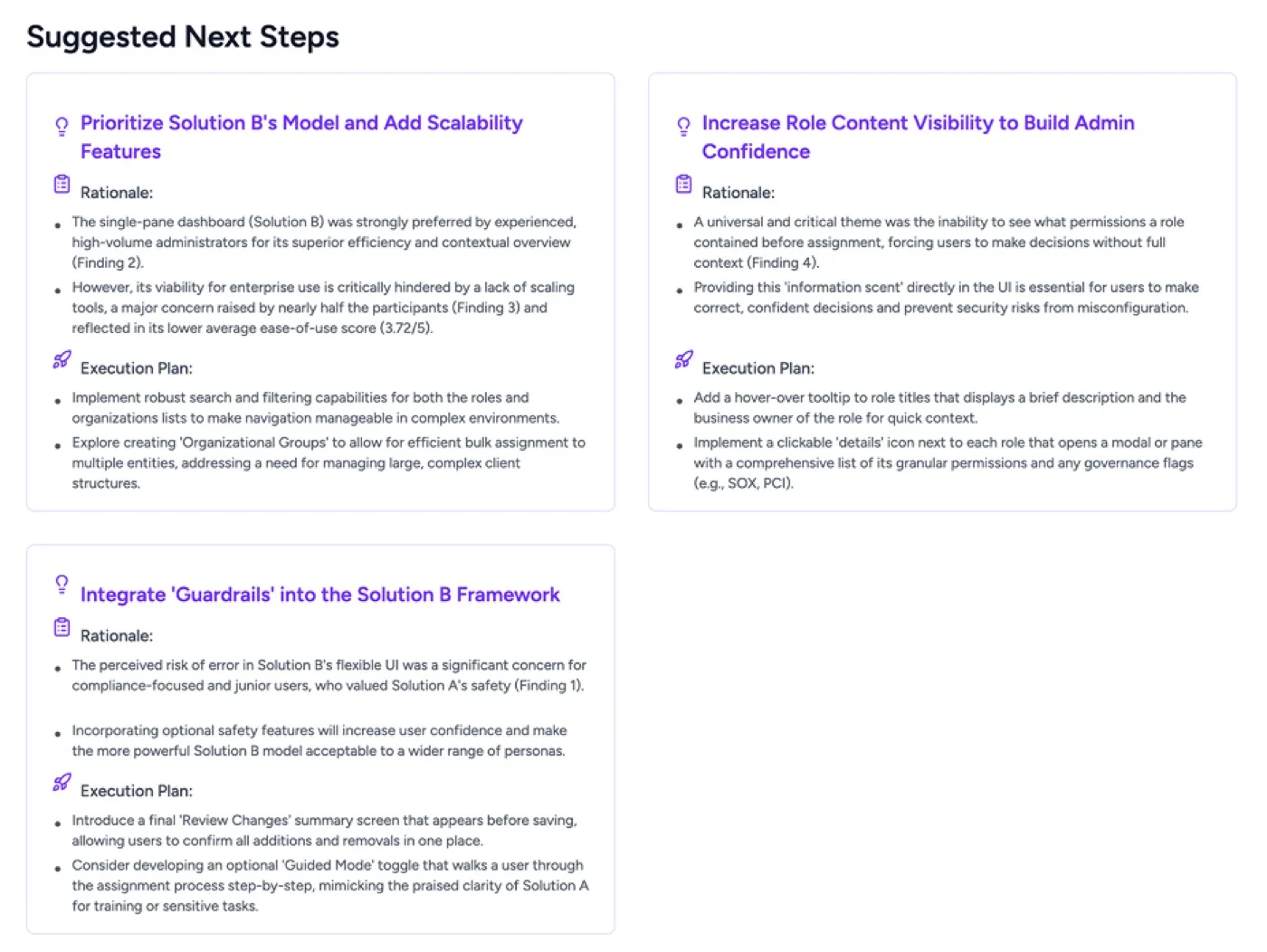
The PDLC pivot
Every stage — research, spec, prototype, build — assumed an answer took days or weeks. These compressed it to hours, sometimes minutes.
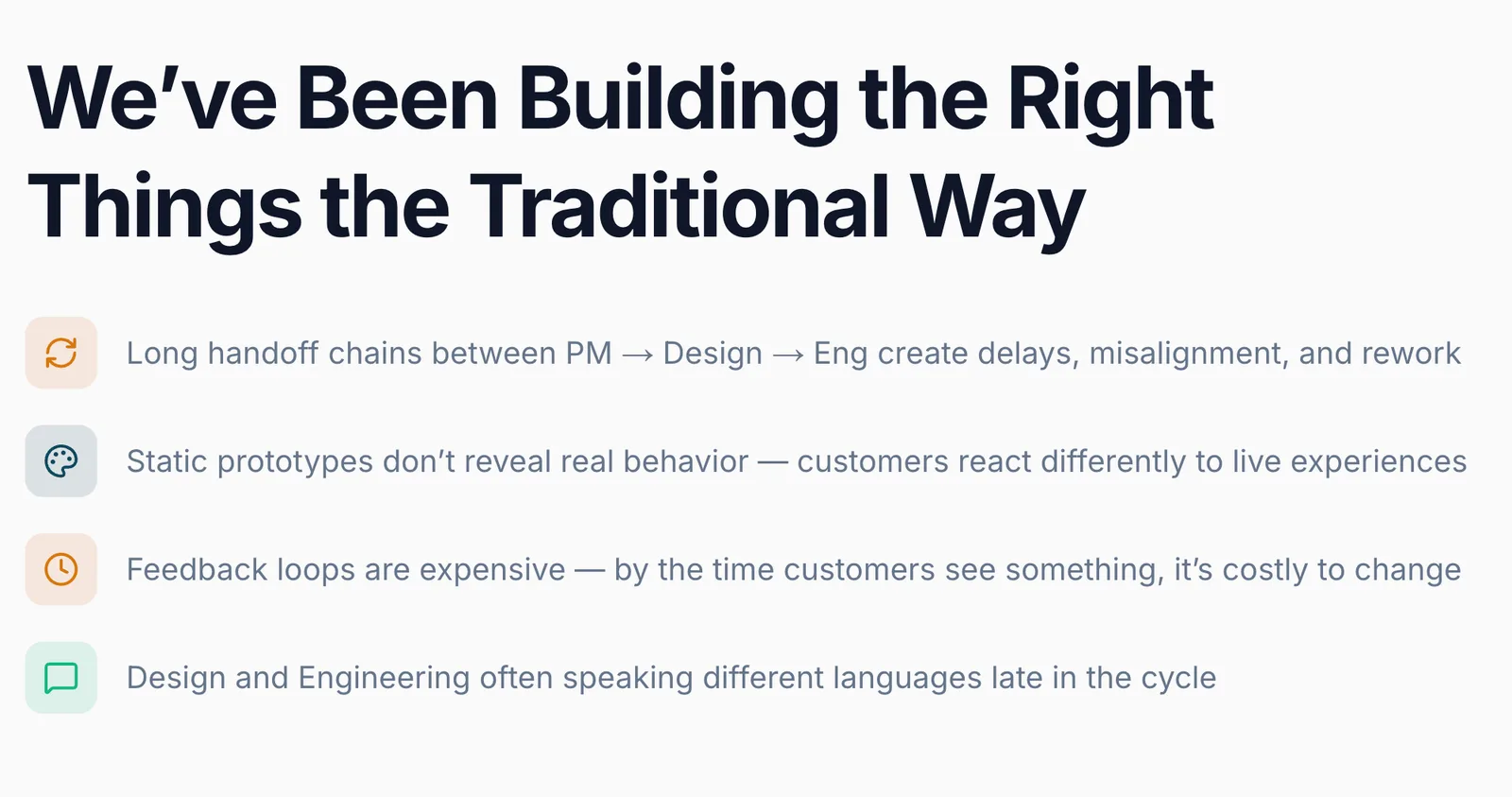
When engineering caught up
For most of 2025, design ran ahead of engineering. Q4 changed that: Cursor licenses rolled out across the org and design picked up seats alongside. Our design system already lived in Vue 3 and React, so we wrote skills, rules, and page templates that taught Cursor how our product was actually built — our tokens, our components, our opinions. Designers built real interactive flows against the production system the same week they scoped the work.
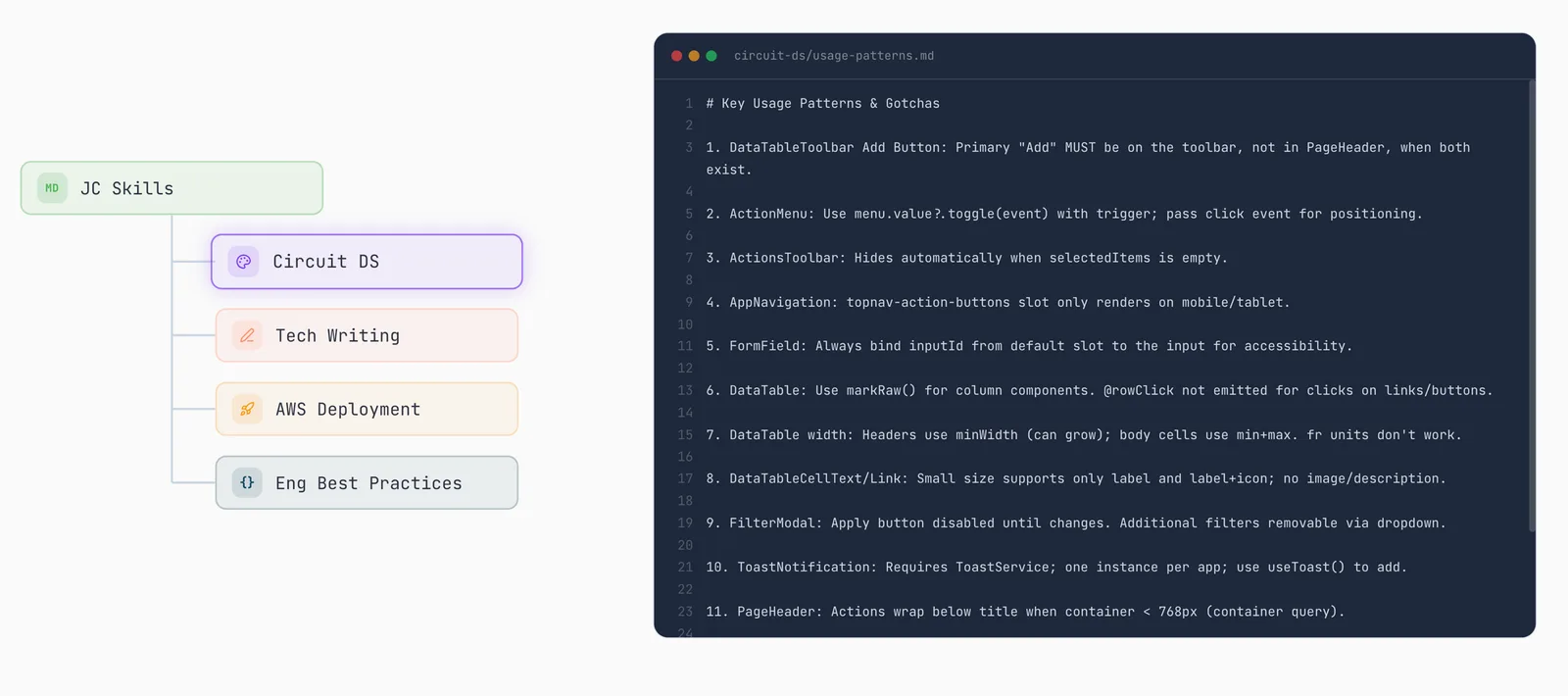
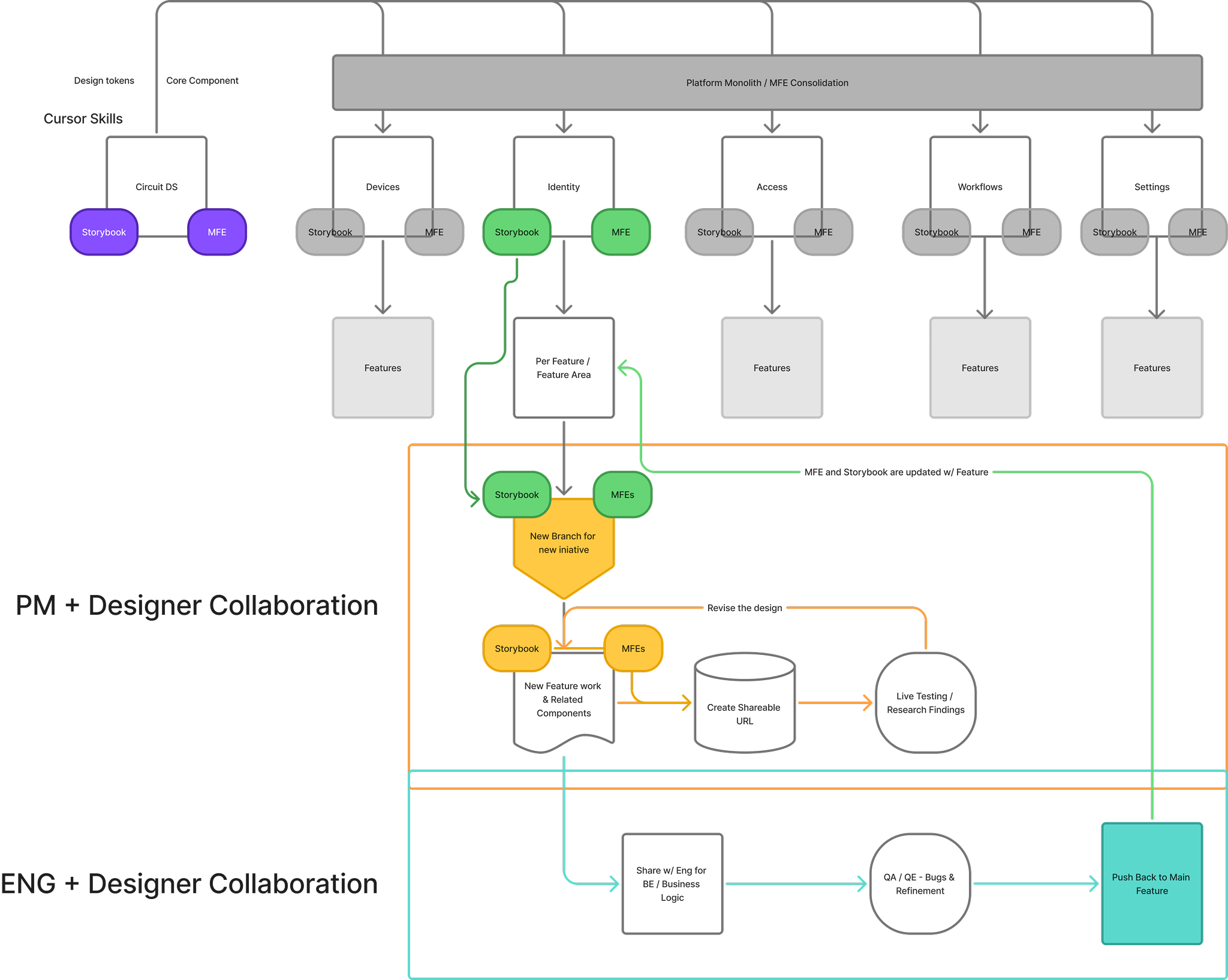
“The front-end stopped being a border between disciplines and started being a shared workspace.”
The Vision
A streamlined AI-assisted PDLC where everyone works in code and a shared context moves through the stages. That context also generates the help docs, blog posts, and GTM materials.
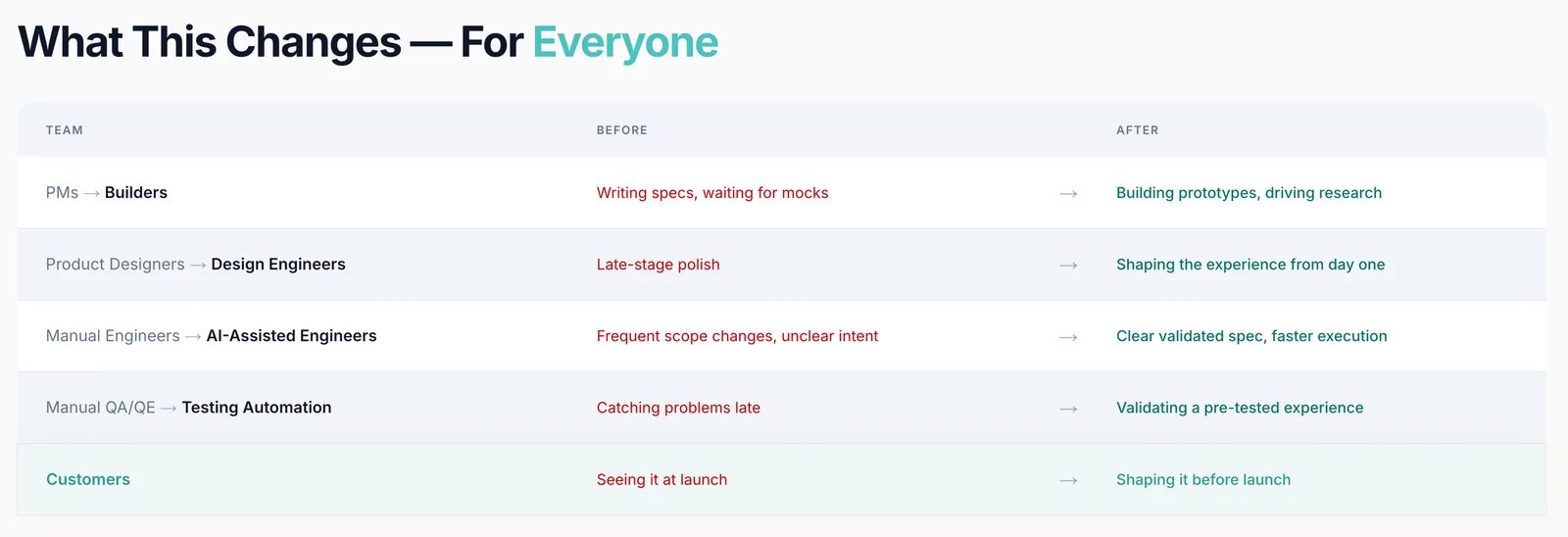
Role Evolution
Flexibility in tech has always been the game. The AI era is no different. Roles shift as capabilities emerge.